This Guide has been carefully crafted by our team here at Aria Film Solutions. The goal of this guide is to provide in depth informational content about everything Paint Protection Film. Allowing you to make the right decisions when its comes to protecting your vehicle from every day wear and tear that it faces.
What Does Paint Protection Film Do?
Paint protection film adds a clear, tough layer over your paint. That layer takes the small hits before the paint does. Stones on the 680 tap the film, not the clearcoat. Sand on back roads scuffs the film, not the lower doors. Light swirls ease as the film warms in the sun.
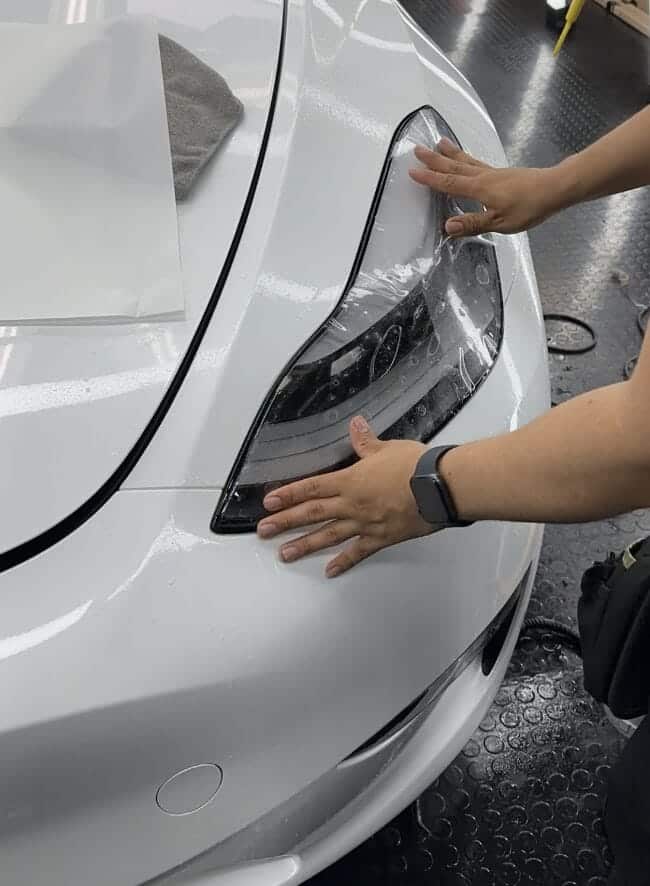
Our install process at Aria Film Solutions keeps that layer tidy and tight. Panel prep cleans badges, seams, and edges. Pattern cuts match your trim. Edge wraps go on where the panel allows. Heat sets lock corners in place. The result keeps the car looking like your car, only harder to chip.
Paint Protection Film VS Ceramic Coating
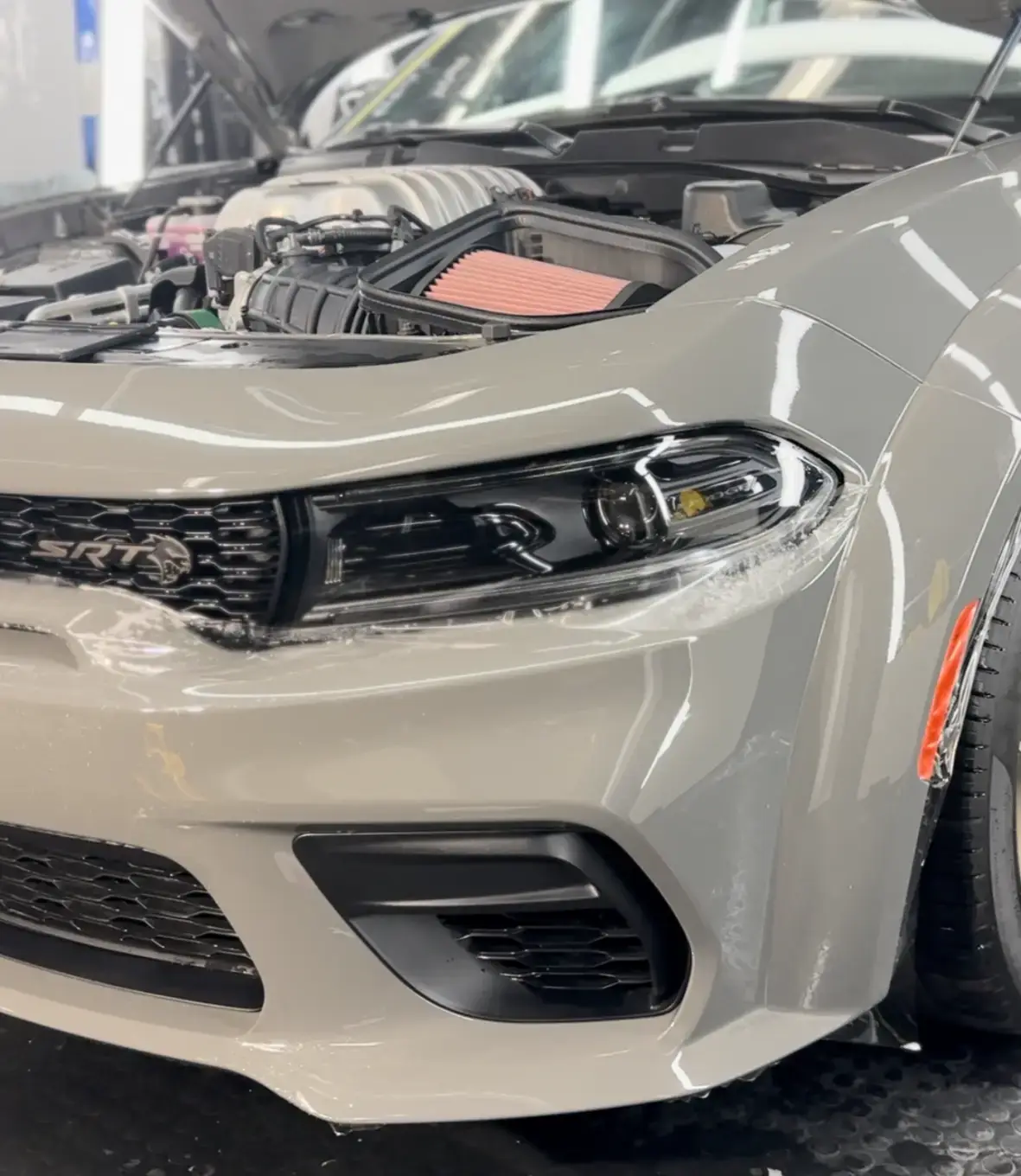
PPF vs ceramic coating comes down to the job each one does. PPF handles impact and stops chips on bumpers, hoods, fenders, mirrors, and rockers. Ceramic coating handles upkeep and makes washing faster with added slickness and gloss. Coating alone will not stop a rock at highway speed. Film alone will not rinse as quickly as a coated surface.
The best setup for Walnut Creek driving uses both in the right places. Film covers the strike zones. Coating goes over paint and film. Our team at Aria Film Solutions builds that stack with proper cure time and simple care steps.
What is the lifespan of paint protection film?
Lifespan of paint protection film depends on care, climate, and driving. Quality film with normal use often lasts five to ten years in our Bay Area sun when you wash it by hand and keep harsh chemicals off the surface. Sun exposure matters, so garage parking and shade extend life while all day outdoor parking and long highway runs add load. Washing practice matters, so a clean mitt and mild soap help while brush tunnels and strong solvents shorten the run. Color matters, because dark paint holds more heat and can age a surface faster. Route choice matters, since gravel, construction zones, and back roads add wear that city streets do not.
Service from Aria Film Solutions supports that lifespan from day one. Post-install checks confirm that tiny moisture pockets have vented and that edges have settled clean. Any necesscary panel repair stays simple, because a single cut panel can be replaced without disturbing the rest of the car. End-of-life removal stays safe, since we warm the panel, peel at a low angle, and clean the adhesive so healthy factory paint remains intact. Refresh options stay flexible, so many drivers re-film the full front and keep going while others expand coverage based on how they use the car. Care steps stay short and clear, and our number stays the same if you ever want a quick look or a second wipe on an edge.
What are the Negatives of paint protection film?
Negatives of PPF are real, and we name them. Cost is the first tradeoff, paint protection film uses high quality materials and requires skilled installation, compared to ceramic coatings it is the more costly option. Seams are the next thing to note, complex bumpers and tight inlets sometimes need a seam or an exposed edge. Texture is another point, because under bright light some low quality films show a fine orange-peel look that bare paint doesn’t. Edges deserve care, because a pressure washer held inches from a seam can lift film. Repaints carry risk, since weak clear on older bodywork can pull during removal.
Mitigation is our focus at Aria Film Solutions. Seam placement lands on body lines so eyes don’t stop on a flat panel. Edge wraps go on where the panel allows, and trim is removed when it makes the finish cleaner. Prep is thorough, with clay decontamination, and edge cleaning around badges and sensors. Lighting is bright, so small lift lines and lint don’t slip by. Care coaching is included, with simple wash steps that keep edges safe and the surface clear. Value is the result, because paint protection film prevents chips and helps the car hold its fresh look and resale value.
Can you wax paint protection film?
Paint protection film adds a clear, tough layer over your paint. That layer takes the small hits before the paint does. Stones on the 680 tap the film, not the clearcoat. Sand on back roads scuffs the film, not the lower doors. Light swirls ease as the film warms in the sun.
Our install process at Aria Film Solutions keeps that layer tidy and tight. Panel prep cleans badges, seams, and edges. Pattern cuts match your trim. Edge wraps go on where the panel allows. Heat sets lock corners in place. The result keeps the car looking like your car, only harder to chip.
Paint Protection Film VS Ceramic Coating
PPF vs ceramic coating comes down to the job each one does. PPF handles impact and stops chips on bumpers, hoods, fenders, mirrors, and rockers. Ceramic coating handles upkeep and makes washing faster with added slickness and gloss. Coating alone will not stop a rock at highway speed. Film alone will not rinse as quickly as a coated surface.
The best setup for Walnut Creek driving uses both in the right places. Film covers the strike zones. Coating goes over paint and film. Our team at Aria Film Solutions builds that stack with proper cure time and simple care steps.
What is the lifespan of paint protection film?
Lifespan of paint protection film depends on care, climate, and driving. Quality film with normal use often lasts five to ten years in our Bay Area sun when you wash it by hand and keep harsh chemicals off the surface. Sun exposure matters, so garage parking and shade extend life while all day outdoor parking and long highway runs add load. Washing practice matters, so a clean mitt and mild soap help while brush tunnels and strong solvents shorten the run. Color matters, because dark paint holds more heat and can age a surface faster. Route choice matters, since gravel, construction zones, and back roads add wear that city streets do not.
Service from Aria Film Solutions supports that lifespan from day one. Post-install checks confirm that tiny moisture pockets have vented and that edges have settled clean. Any necesscary panel repair stays simple, because a single cut panel can be replaced without disturbing the rest of the car. End-of-life removal stays safe, since we warm the panel, peel at a low angle, and clean the adhesive so healthy factory paint remains intact. Refresh options stay flexible, so many drivers re-film the full front and keep going while others expand coverage based on how they use the car. Care steps stay short and clear, and our number stays the same if you ever want a quick look or a second wipe on an edge.
What are the Negatives of paint protection film?
Negatives of PPF are real, and we name them. Cost is the first tradeoff, paint protection film uses high quality materials and requires skilled installation, compared to ceramic coatings it is the more costly option. Seams are the next thing to note, complex bumpers and tight inlets sometimes need a seam or an exposed edge. Texture is another point, because under bright light some low quality films show a fine orange-peel look that bare paint doesn’t. Edges deserve care, because a pressure washer held inches from a seam can lift film. Repaints carry risk, since weak clear on older bodywork can pull during removal.
Mitigation is our focus at Aria Film Solutions. Seam placement lands on body lines so eyes don’t stop on a flat panel. Edge wraps go on where the panel allows, and trim is removed when it makes the finish cleaner. Prep is thorough, with clay decontamination, and edge cleaning around badges and sensors. Lighting is bright, so small lift lines and lint don’t slip by. Care coaching is included, with simple wash steps that keep edges safe and the surface clear. Value is the result, because paint protection film prevents chips and helps the car hold its fresh look and resale value.